
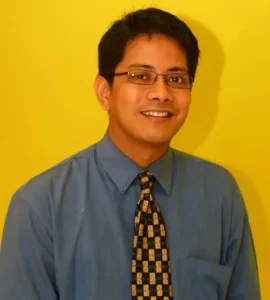
Randy Dellosa — My Journey Through Psychology, Psychiatry, and Human Transformation
My name is Randy Misael Sebastian Dellosa. Many people in the Philippines know me as “Doc Randy,” but beyond television appearances and public speaking engagements, my life’s mission has always been centered on helping people heal emotionally, psychologically, spiritually, and physically. Throughout my career, I have worked as a psychiatrist, clinical psychologist, psychotherapist, life coach, counselor, osteopath, and wellness advocate. My journey has never been limited to one discipline because I have always believed that true healing requires understanding the whole person rather than treating isolated symptoms.
Early Life and Educational Background
I was born and raised in the Philippines, where my early years shaped my understanding of family, discipline, spirituality, and emotional resilience. As a young student, I became deeply curious about human behavior, emotions, suffering, and personal transformation. Even before formally entering the field of psychology, I found myself drawn toward understanding why people think, feel, and behave the way they do.
I completed my elementary education at La Salle Green Hills before studying at Ateneo de Manila University. Later, I pursued Psychology at the University of the Philippines Diliman, where I developed a stronger academic foundation in human behavior and mental health sciences. My interest in emotional healing eventually led me toward medicine, and I entered Far Eastern University Institute of Medicine to pursue my Doctor of Medicine degree.
Medical school expanded my understanding of the relationship between the body and the mind. I realized that psychological distress often manifests physically and that emotional suffering cannot always be separated from biological health. This perspective later became central to my holistic philosophy of healing.
After earning my medical degree, I trained in psychiatry at Makati Medical Center and Veterans Memorial Medical Center. During my residency years, I became deeply interested in psychotherapy and emotional recovery systems beyond traditional psychiatric treatment approaches.
Expanding Beyond Traditional Psychiatry
Although psychiatry gave me a strong clinical foundation, I always felt that healing required more than medication or diagnosis alone. I became interested in psychotherapy, emotional-release methods, body-centered healing, spirituality, trauma recovery, and alternative therapeutic systems.
My search for deeper understanding eventually led me to extensive international training programs in Gestalt Therapy, psychotherapy, hypnotherapy, energy healing, osteopathy, and psychosomatic approaches to emotional wellness. I trained in Germany, France, Spain, Australia, India, Indonesia, and other countries through programs associated with the Gestalt Education Network International and related therapeutic organizations.
I later earned my Doctor of Psychology degree (Psy.D.), graduating cum laude. My academic and clinical training allowed me to integrate medicine, psychology, psychotherapy, and body-based healing into one comprehensive framework.
Throughout these experiences, I realized that many people suffer not only from psychiatric symptoms but also from unresolved emotional pain, trauma, suppressed feelings, destructive beliefs, relational wounds, and spiritual disconnection. That realization changed the direction of my career permanently.
Professional Philosophy
My work has always been guided by a holistic philosophy. I do not believe that healing should focus exclusively on symptoms. Instead, I believe healing involves the entire human experience — body, mind, emotions, relationships, and spirituality.
Over the years, I integrated multiple healing systems into my work, including:
- psychotherapy,
- psychiatry,
- osteopathy,
- emotional release therapy,
- clinical hypnosis,
- dream analysis,
- meditation,
- psycho-spiritual counseling,
- energy healing,
- trauma work,
- and mindfulness-based approaches.
This integration eventually led me to develop what became known as Dellosa Emotional-Release Touch Therapy, a body-centered psychotherapeutic system designed to help individuals process unresolved emotional pain stored within the body.
Interactive Career Timeline
Randy Dellosa Career Timeline
| Period | Position | Focus Area |
|---|---|---|
| 1980s | Psychology & Medical Education | Psychology and Medicine |
| 1990s | Psychiatric Residency Training | Clinical Psychiatry |
| 2000s | Life Coach & Media Psychologist | Mental Health Awareness |
| Present | Founder of Wellness & Recovery Programs | Holistic Healing |
Media Exposure and Public Recognition
Many Filipinos became familiar with me through television and public media appearances. Over the years, I became involved as a psychological consultant, life coach, and resident psychologist for several major reality television programs in the Philippines.
I worked with ABS-CBN programs such as:
- Pinoy Big Brother,
- Pinoy Dream Academy,
- The Biggest Loser Pinoy Edition,
- Pinoy Fear Factor,
- and other television productions.
My role often involved helping contestants manage stress, emotional conflict, interpersonal tension, self-esteem issues, anxiety, and psychological pressure while participating in emotionally demanding environments.
Television gave me a larger platform to discuss emotional wellness, mental health, relationships, trauma, self-development, addiction, and spirituality with the Filipino public. I became a frequent resource speaker for talk shows, news programs, workshops, seminars, churches, corporations, and wellness conferences throughout the Philippines.
Academic and Training Contributions
Beyond media work, I also spent many years teaching and supervising counselors, therapists, psychologists, and mental health workers. I taught at institutions such as:
- University of the Philippines,
- De La Salle University,
- and Asian Theological Seminary.
Teaching allowed me to mentor future mental health professionals while sharing practical therapeutic methods and holistic healing principles.
Throughout my career, I emphasized the importance of integrating emotional intelligence, spirituality, psychological awareness, and authentic human connection into therapy. I believe psychotherapy should not become mechanical or emotionally detached. Healing requires compassion, empathy, presence, and authentic listening.
The Randy Dellosa Wellness Center
One of the most important achievements of my career was establishing The Randy Dellosa Wellness Center in Quezon City, Metro Manila. The center became a place where clients could receive holistic healing services combining psychotherapy, psychiatry, life coaching, wellness therapies, counseling, and body-based healing systems.
The center was designed around the belief that emotional healing should not be fragmented. Many individuals struggling with anxiety, trauma, depression, stress, addiction, burnout, and relational problems require integrated treatment approaches rather than isolated symptom management.
Major Workplaces and Institutions
Recovery and Addiction Treatment
A major part of my work involved helping individuals struggling with addiction, emotional trauma, depression, anxiety disorders, relationship conflicts, and identity-related crises. I established the Life Change Recovery Center, which focused on helping psychiatric patients and individuals dealing with addiction recovery.
Addiction recovery taught me many lessons about human suffering and resilience. I learned that addiction is rarely about substances alone. Often, it involves emotional wounds, unresolved trauma, loneliness, shame, family dysfunction, or spiritual emptiness.
This understanding eventually shaped my broader philosophy that healing must address the deeper emotional roots of suffering rather than focusing solely on external behaviors.
Holistic Healing and Integrative Therapy
Throughout my career, I became increasingly interested in integrative medicine and holistic wellness. I pursued additional training in osteopathy, manipulative therapy, acupuncture, qigong healing, Ericksonian hypnosis, craniosacral therapy, and energy psychology.
Many traditional medical professionals initially viewed holistic healing approaches with skepticism, but I believed strongly that the future of mental health care would eventually involve integrating scientific medicine with emotional, relational, and body-centered healing systems.
I also became involved in founding several organizations, including:
- Gestalt Therapy Association of the Philippines,
- Philippine Society of Life Coaches,
- Philippine Association of Integrative Medicine and Holistic Therapies,
- and Philippine Association of Christian Counselors.
Public References and Professional Materials
Public References and Professional Sources
Final Reflections
Looking back at my life and career, I realize that my work has always been about helping people rediscover themselves. Whether through psychotherapy, psychiatry, life coaching, counseling, spiritual formation, or holistic healing, my mission has remained consistent: helping individuals heal deeply and live authentically.
Human beings are not machines. We are emotional, relational, spiritual, psychological, and physical beings all at once. True healing cannot happen when we divide people into isolated parts.
Throughout my journey, I have learned that many people are not simply seeking treatment. They are searching for meaning, peace, emotional freedom, connection, self-acceptance, and transformation.
That search for wholeness continues to inspire my work every day.